
Future Ready — Logan Nathan
Back to All Articles/AI & the Future
AI & the Future41 min readSeptember 28, 2026

We Cannot Predict Their Future in the new AI world. But We Can Prepare Them for It: Empowering Young Minds for Tomorrow

“[data-ai-type="key-takeaways"] { background-color: #f8fafc; border-left: 4px solid #3b82f6; padding: 1.5rem; margin: 2rem 0; border-top-right-radius: 0.75rem; border-bottom-right-r...”

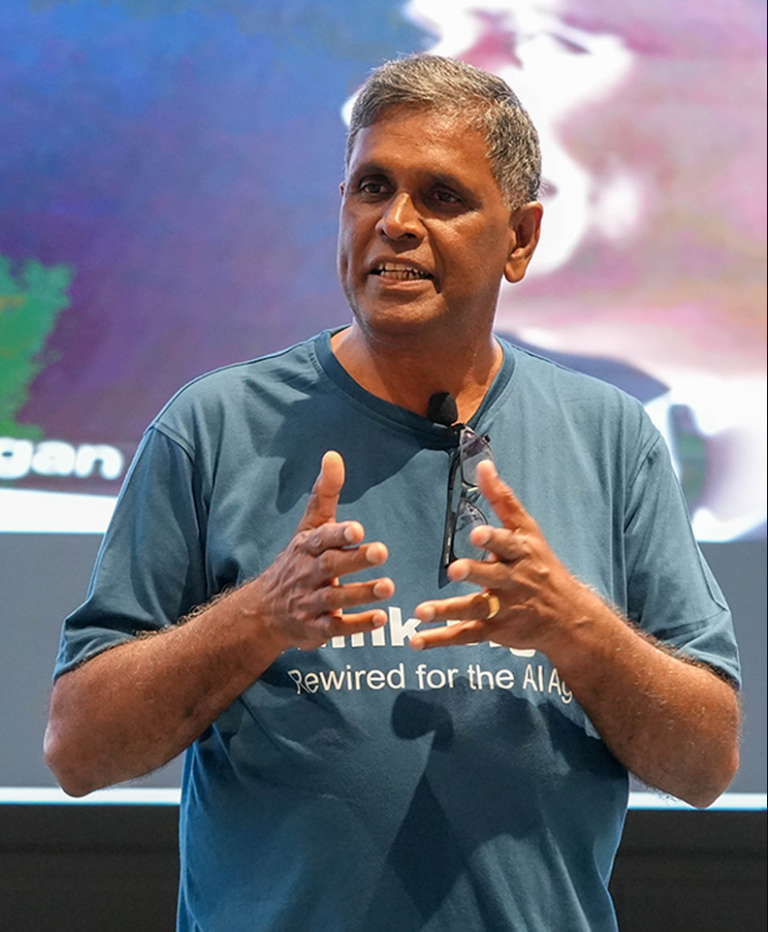
Logan Nathan

Logan Nathan

Author & Technologist

Key Takeaways

  • Young people need critical thinking and adaptability to navigate an AI-driven world.

  • Access to AI tools does not equate to readiness; it’s about how those tools are used.

  • Parents and educators play a crucial role in guiding young people to use AI responsibly.

  • The book ‘FUTURE READY™ – Small Steps. Big Dreams.’ offers strategies for navigating technological complexities.

Key Answer

We cannot predict their future, but by cultivating adaptability, critical thinking, and responsible AI use in young people, we can prepare them for whatever comes next.

We cannot tell a 12-year-old exactly what work will look like when they are 25. Some jobs will change. Others will disappear, and entirely new ones will emerge. But we can prepare that young person to face change with curiosity rather than fear, judgement rather than blind acceptance, and confidence rather than dependence. That, to me, is what being future ready really means.

Globally from east to west, where innovation thrives, preparing young minds for a future rich with AI technology becomes not just a task but a duty. By nurturing skills in adaptability and critical thinking, we empower the next generation to navigate uncertainties with confidence. Let’s delve into why fostering these qualities is crucial for young people today.

The Future Is Arriving Faster Than We Think

The world is changing at a pace that education systems struggle to keep up with. In Melbourne, known for its educational excellence, there’s a pressing need to integrate AI into learning environments meaningfully. AI is already woven into how young people study and communicate. Yet, the transition isn’t seamless. As educators, we must recognise that traditional pedagogies may not suffice in an AI-driven world.

According to my experience, the future’s demands necessitate a curriculum that encourages students to think beyond rote learning. This involves embracing AI as a tool for enhancing creativity and problem-solving rather than as a substitute for thought processes. Early AI education is a critical step in preparing future innovators.

Access to AI Is Not the Same as Readiness

Merely having access to AI doesn’t equate to being prepared for its implications. While AI can provide answers swiftly, it requires critical evaluation to determine their accuracy and ethical considerations. Young minds must be taught to challenge AI outputs and develop their capacity to judge information.

In dynamic educational landscape, I advocate for embedding critical thinking exercises in AI applications. Students must learn not just to generate answers but to scrutinise their validity. This approach ensures they become not just users of AI but discerning thinkers, capable of leveraging technology responsibly.

Expert Perspective

Educational Consultant and AI Advocate

From my decades of experience, it is clear that the true challenge in education lies not in the tools themselves but in how we teach young people to use them. AI should be a means to an end, not an end in itself. We must cultivate critical thinkers who view technology as an ally, not a crutch.

AI Should Strengthen, Not Replace, Thinking

In my view, AI should augment human intellect, not replace it. It’s imperative for young learners to use AI as a springboard for deeper inquiry rather than as a crutch. Encouraging students to attempt, question, and reflect fosters a mindset of resilience and adaptability.

Globally educators are in a unique position to model this through innovative teaching practices. By integrating AI with traditional subjects, we can cultivate an environment where young people learn to navigate the complexities of technology while retaining their innate curiosity and capacity for independent thought. Adapting to the AI age requires this balance.

The Five Capabilities That Matter

Developing future-ready skills involves focusing on five core capabilities. Firstly, building a growth mindset enables students to view challenges as opportunities for learning. Secondly, developing skills relevant to the future job market is essential. Thirdly, using AI wisely and ethically empowers young minds to become responsible digital citizens.

Setting goals and taking deliberate actions form the fourth capability, providing direction in a rapidly shifting landscape. Finally, leading a life with purpose ensures young individuals remain grounded and motivated. Together, these capabilities not only prepare them for future roles but also enrich their personal development, aligning with the ethos of the city they reside in.

Parents and Teachers as Co-Navigators

Globally, the role of parents and educators extends beyond mere knowledge providers to being co-navigators of the digital world. They needn’t be experts in every AI application but should foster an environment where young people feel empowered to ask questions and make informed decisions.

Facilitating discussions around responsible AI use at home and in classrooms is vital. By modelling inquisitive behaviour and encouraging exploration, adults can significantly impact how the younger generation interacts with technology. The future is not a predetermined path, but a series of choices that educators and parents can help shape. Preparing young people for this uncertain future begins with these small steps.

Why I Wrote FUTURE READY™

As we stand on the brink of an AI revolution, the urgency of preparing young people cannot be overstated. This belief inspired me to write ‘FUTURE READY™ – Small Steps. Big Dreams.’, a resource aimed at equipping students, parents, and teachers with practical tools for navigating the complexities of our digital age.

The book provides strategies for developing critical skills and fostering a mindset ready for tomorrow’s challenges. By sharing these insights, I hope to contribute to the nurturing of a generation that not only survives but thrives in a world where AI is an integral component of everyday life. With its global release tomorrow, I look forward to seeing how it inspires action and dialogue worldwide.

Next Steps: Equipping Young Minds for Tomorrow

Moving forward, it’s clear that our approach to education must be transformative rather than static. By prioritising the development of critical, adaptable, and ethically aware individuals, we ensure that young minds are not only prepared to meet the future but are also capable of shaping it.

For parents and educators in Melbourne, this means embracing the role of guide and mentor, fostering environments where technology complements, rather than dictates, learning. We may not be able to predict every twist and turn in their journey, but we can certainly prepare them to navigate it with confidence and creativity.

Harnessing AI: A Call to Action for Educators

I urge my fellow educators to seize the opportunity to integrate AI into the curriculum thoughtfully. By doing so, we not only enhance the learning experience but also prepare students for a future where technology is ubiquitous.

This integration requires a commitment to continuous learning and adaptation, as the tools we use today will inevitably evolve. Let’s ensure that our young people are not just passive consumers of technology but active, informed participants in its development.

My book will be available globally via Amazon and Google Book as of 30 September 2026. I expect overtime, it will be also available via many bookshops around the world via Ingramspark’s book distribution channels such Booktopia in Australia.

Frequently Asked Questions

By developing critical thinking, adaptability, and responsible AI use, young people can navigate and shape the future.

Parents and educators guide young people by fostering critical thinking, questioning, and ethical AI use.

AI should enhance learning by serving as a tool that prompts deeper inquiry, fostering independence rather than dependency.

Building a growth mindset, developing future-relevant skills, using AI wisely, setting goals, and leading with purpose are key capabilities.

It offers strategies and tools for students, parents, and teachers to navigate the AI age with critical skills and confidence.

Deep Dive in Future Ready™

Want the complete blueprint for the AI generation?

Discover practical frameworks, 20 structured chapters, real student transformation stories, and actionable conversation guides.

Get the Book
Logan Nathan

About Logan Nathan

Technologist • Speaker • Author

With over 40 years of international experience across computing, telecommunications, digital strategy, and AI enablement, Logan Nathan mentors students and advises institutions worldwide on thriving in the intelligence era.

The Future Starts Now

Big dreams have to start somewhere.

Be brave, dream a little bigger, ask the question that's keeping you up at night, and take that one small step toward shaping your future.

Available in:🇬🇧 English🇱🇰 Sinhala🇱🇰 Tamil